
What are probiotic drinks for children? A parent's low-sugar guide

Probiotic drinks marketed to families are usually low-sugar, nutrient-enriched sparkling tonics built as a healthier alternative to soda, not paediatric probiotic supplements. They’re canned, carbonated, and typically fortified with prebiotic fibre or botanicals rather than clinically dosed live cultures meant for kids. That distinction matters for how you shop and how much benefit you should actually expect from a can.
Here’s the quick math worth knowing before you compare labels. Most of these tonics carry 2 to 9 grams of inulin-type prebiotic fibre per can, and the average adult falls well short of the 25 to 35 grams of daily fibre nutrition guidelines recommend, landing closer to 15 grams. One can won’t close that gap on its own, but it can nudge things in the right direction.
For older kids and teens, an occasional swap can be a reasonable call if the label checks out on sugar and fibre content. For toddlers, preschoolers, or kids with IBS or known sensitivities to sweeteners, more caution is warranted.
- These are functional sodas, not probiotic supplements formulated for children’s dosing.
- Look for at least 3 grams of prebiotic fibre per can before expecting any measurable effect.
- Treat them as an occasional substitution for soda, not a gut-health treatment plan.
- Check with a paediatrician before offering these regularly to children under school age or those on medication.
Key takeaways
A defensible probiotic drink for children delivers at least 3 grams of prebiotic fibre and under 5 grams of added sugar per can, and works best as an occasional soda swap rather than a daily health routine.
| Point | Details |
|---|---|
| Check the fibre number | Look for 3 grams or more of prebiotic fibre per can before expecting any real effect. |
| Compare sugar honestly | Regular cola carries about 39 g added sugar per 12 oz; many functional sodas land at 0 to 5 g. |
| Go slow with kids | Introduce fermentable fibre gradually to avoid gas, bloating, or loose stools. |
| Ask a clinician when it matters | Children on medication or with diagnosed digestive conditions need professional guidance first. |
| Solidviibe fits the checklist | Drinksolidviibe publishes full ingredient and fibre content per can, meeting the transparency standard this guide recommends. |
Table of Contents
- What exactly are these low-sugar sparkling tonics?
- What ingredients do these drinks actually rely on?
- Does the science back up the gut-health claims?
- How does the nutrition compare to a regular soda?
- Are these drinks safe for kids and sensitive digestions?
- What should you actually check on the label?
- Can you make something similar at home?
- How much should a child actually drink, and how often?
- Do children need specific probiotic strains, and does that apply here?
- What regulatory oversight applies to these products?
- How do you read the fine print on live cultures and shelf life?
- Solidviibe: a low-sugar tonic that matches the checklist
- Sources
What exactly are these low-sugar sparkling tonics?
These drinks are canned, carbonated beverages formulated with less added sugar than traditional soda and enriched with prebiotic fibre, botanical extracts, or adaptogens meant to support digestion and overall wellness. Some brands sweeten with stevia or monk fruit instead of cane sugar. A smaller subset adds live cultures, though that’s the exception rather than the rule in this category.
It helps to separate two things that get lumped together constantly: prebiotics and probiotics. Prebiotics are fibres that feed the beneficial bacteria already living in a child’s gut. Probiotics are live microorganisms added directly to a product. Most of the drinks this article covers lean on the prebiotic side of that line, which is one reason the marketing language can be confusing.
Marketing copy on these cans tends to lead with words like “gut health,” “digestive support,” or “less sugar, more good stuff.” Few brands state a specific fibre gram count or bacterial strain on the front label, which is exactly why reading the nutrition panel matters more than reading the can’s slogan.
What ingredients do these drinks actually rely on?
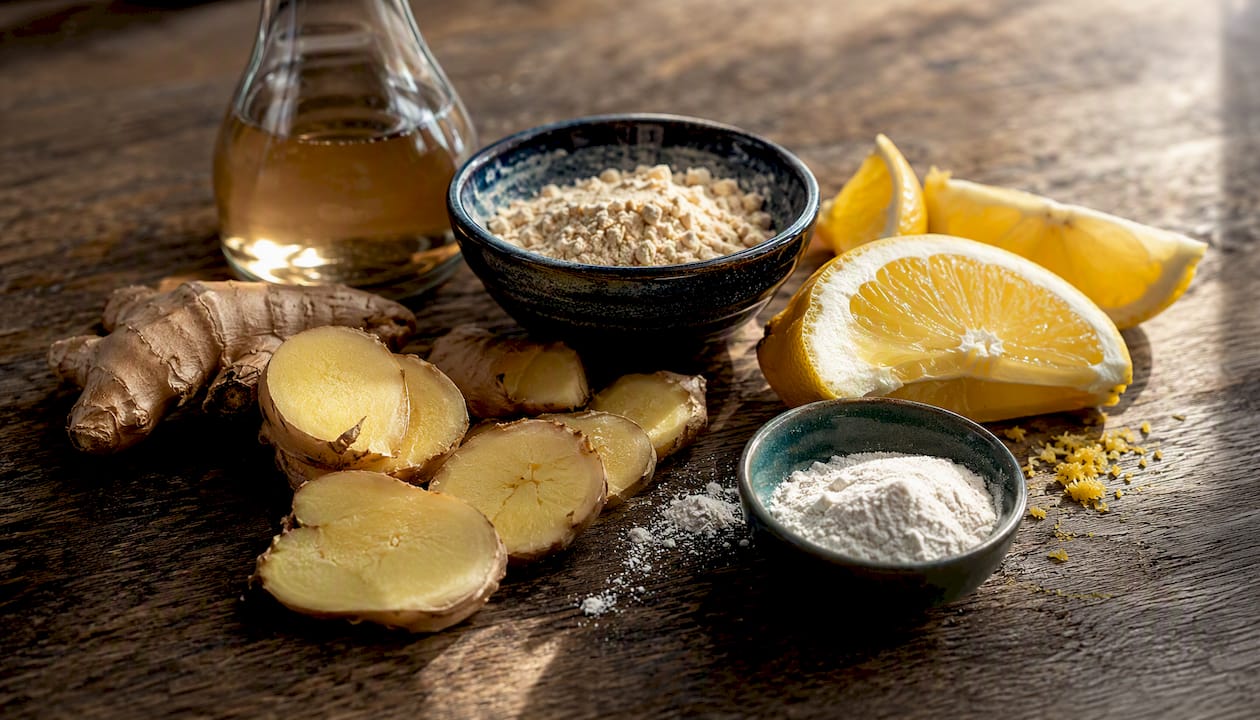
The active ingredients vary by brand, but a handful show up again and again: inulin-type prebiotic fibre (often derived from chicory root), apple cider vinegar, ginger and other botanicals, adaptogens like ashwagandha, and non-nutritive sweeteners. Live cultures appear occasionally but aren’t the category standard.
Inulin works by feeding bacteria such as Bifidobacterium in the colon, a process researchers call bifidogenic. Live cultures, when present, work differently. They introduce microorganisms directly, but their survival through the can’s shelf life and through stomach acid is far less predictable than a fibre’s stability.
Dose is where a lot of products fall short of doing anything meaningful. Practitioner guidance points to roughly 3 grams of prebiotic fibre per serving as a practical threshold, and clinical evidence backs that up: bifidogenic effects tend to appear around 3 to 7 grams a day in people who start out low on fibre. Below that, you’re mostly paying for flavoured sparkling water.
| Ingredient type | What it does | Typical amount per can |
|---|---|---|
| Inulin-type prebiotic fibre | Feeds beneficial gut bacteria | 2 to 9 grams |
| Live probiotic cultures | Adds bacteria directly (less common) | Varies, often undisclosed |
| Non-nutritive sweeteners | Reduces added sugar | Varies by brand |
| Botanicals/adaptogens | Flavour and marketed wellness support | Trace amounts, rarely dosed |
Pro Tip: If the nutrition label doesn’t list a specific fibre gram amount, assume it’s below the 3-gram threshold that research associates with a measurable effect.
Does the science back up the gut-health claims?
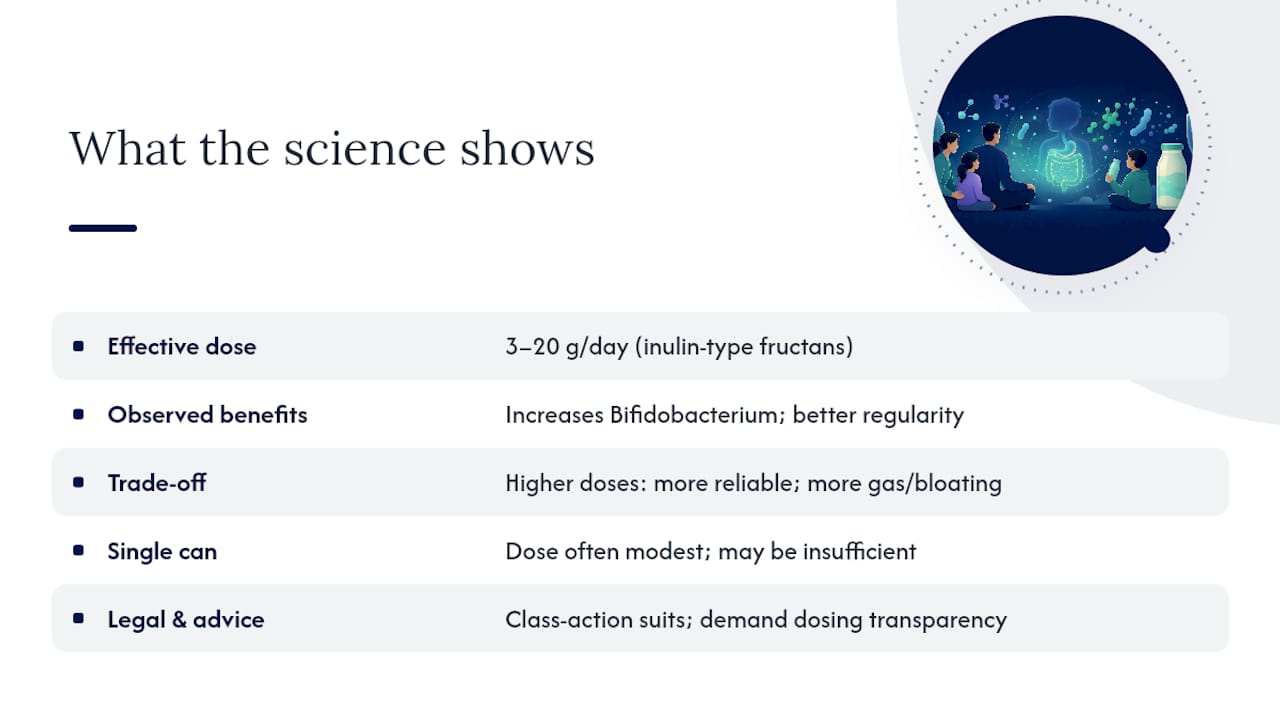
Some of it does, with real caveats. Clinical trials on inulin-type fructans show they can increase Bifidobacterium levels and improve bowel regularity, with effects generally appearing at 3 to 20 grams per day, and higher doses working more reliably while also raising the odds of gas and bloating. Apple cider vinegar has some evidence for blunting blood sugar spikes, but the effect is modest and inconsistent across studies.
What the science doesn’t support is the leap from “contains prebiotic fibre” to “improves long-term gut health” or “boosts immunity.” A review of the category is blunt about this: a single can’s dose is often modest, and regular use may help someone who’s chronically low on fibre without coming close to matching a genuinely high-fibre diet or a targeted supplement.
One can of a fibre-enriched tonic is not equivalent to a therapeutic fibre supplement or a diet built around vegetables, legumes, and whole grains. It’s best viewed as a supplement to a healthy habit, not a replacement.
This gap between claim and evidence has landed some brands in legal trouble. Advertising scrutiny in the functional beverage space has included class-action settlements over gut-health claims when the actual fibre dose was too small to plausibly deliver the promised benefit. Registered dietitians who track this category tend to agree: transparency about dosing matters more than the wellness language on the can.
How does the nutrition compare to a regular soda?
The biggest, most defensible win for these tonics is sugar reduction. A regular 12 oz cola carries around 39 grams of added sugar, while many functional sodas land anywhere from 0 to 5 grams, depending on the brand and sweetener choice. That’s a meaningful cut for a family drinking soda daily.
Fibre contribution is the second piece. A can with 5 to 9 grams of prebiotic fibre can cover roughly a fifth to a third of an adult’s remaining fibre gap for the day, based on the average 15-gram daily intake versus a 25 to 35 gram target. For kids, whose fibre targets are lower and vary by age, even a partial can be a meaningful boost when the rest of the diet is light on produce and whole grains.
Not every bubbly can is automatically the lighter choice. Regular tonic water often carries as much sugar as soda, roughly 30 grams and 114 calories per serving, so “sparkling” and “low-sugar” aren’t interchangeable claims. Read the panel every time.
Pro Tip: Compare added sugar per 12 oz, not per can size, since some functional beverages come in smaller 8 oz or 8.4 oz cans that make the sugar number look lower than it really is per standard serving.
Are these drinks safe for kids and sensitive digestions?
Older children and teens are the more sensible audience for an occasional swap, assuming the label clears the checklist below. Toddlers and young children process fermentable fibres differently, and their smaller stomachs mean even a modest dose can cause more noticeable discomfort.
The most common side effects trace straight back to the fibre itself. Inulin and similar fermentable fibres are FODMAPs, and they can cause gas, bloating, or loose stools, particularly in kids with IBS or a sensitive gut. Introduce any new fibre source gradually rather than starting with a full can.
- Bloating and gas are the most reported issues, especially at doses above 5 grams of fibre.
- Diarrhea can occur if a child’s system isn’t used to fermentable fibre.
- Non-nutritive sweeteners like stevia or monk fruit are well tolerated by most people, but some kids react with stomach upset.
- Children on medications that affect gut motility or absorption should only try these under a clinician’s guidance, the same caution that applies to any child with a diagnosed digestive condition.
A child who develops bloating or looser stools after starting one of these drinks isn’t having an allergic reaction in most cases. It’s usually the fibre dose outrunning what their gut is used to processing, and it typically resolves once you cut back or stop.
What should you actually check on the label?
Use this order of priority when you’re standing in the aisle or scrolling a product page:
- Added sugar grams per can. Under 5 grams is a reasonable bar for a genuine soda replacement.
- Prebiotic fibre content. Look for 3 grams or more if you want a plausible physiological effect.
- Sweetener type. Note whether it’s stevia, monk fruit, or a sugar alcohol, since tolerance varies by child.
- Live culture claims. If the label says “probiotic,” check for a specific strain name and CFU count, not just the word.
- Ingredient transparency. Avoid proprietary blends that hide exact amounts behind a single combined number.
Red flags are just as easy to spot once you know what to look for:
- Vague claims like “supports gut health” with no fibre gram count anywhere on the can.
- High added sugar dressed up in wellness branding.
- Undisclosed “proprietary blend” doses for botanicals or adaptogens.
- Marketing language implying immune or digestive cures rather than modest, incremental support.
When a product is genuinely low on fibre, sugar reduction alone can still justify the swap. When a product is high in both fibre and sugar, weigh whether a whole-food source, fruit, vegetables, legumes, might serve the family better on most days. Our carbonated drink alternatives comparison walks through more of these tradeoffs across brands and formats.
Can you make something similar at home?
Absolutely, and it’s often the cheaper, more controllable option. Sparkling water with a splash of 100% fruit juice and freshly grated ginger gives you fizz and flavour with no added sugar and no mystery ingredients. Chilled herbal tea topped with carbonated water and a squeeze of lemon works the same way. Parents comfortable experimenting can try small-batch water kefir, which introduces live cultures directly rather than relying on prebiotic fibre.
Whole-food fibre sources, fruit, oats, legumes, generally deliver more fibre per dollar than a canned tonic, and you control the sugar completely. A homemade fizzy drink also lets you introduce fibre gradually, which matters for a child’s gut. Start with a small splash of juice and increase slowly if there’s no digestive upset, the same gradual approach clinicians recommend for any new fermentable fibre.
- Sparkling water + fruit juice splash + grated ginger.
- Chilled fruit tea + carbonated water + lemon.
- Small-batch water kefir for parents comfortable fermenting at home.
Pro Tip: Introduce homemade fizzy drinks with fruit or fibre additions at half-strength for the first week, then build up once you know how your child’s gut responds.
How much should a child actually drink, and how often?
There’s no official paediatric serving guideline specific to this beverage category, which is part of the problem with treating it as a health product rather than an occasional treat. A reasonable, conservative approach is one 8 to 12 oz can per day at most for older children and teens, and treating it as a soda substitute rather than an added daily habit on top of other drinks.
Younger children, generally under school age, are better served by water, milk, or diluted homemade options rather than any commercially fortified fizzy drink, given their smaller body size and more sensitive digestive systems. If a child already drinks soda regularly, replacing one can a day with a lower-sugar tonic is a defensible first step rather than adding a new beverage into an already full day of drinks.
Do children need specific probiotic strains, and does that apply here?
Paediatric probiotic research generally focuses on specific, well-studied strains for particular purposes, certain Lactobacillus and Bifidobacterium species for digestive regularity or immune support, dosed and delivered in supplement form under professional guidance. That’s a different category from the sparkling tonics covered in this guide.
Most functional sodas marketed to families don’t rely on live strains at all. When a can does list a specific probiotic strain, check for both the strain name and a CFU (colony-forming unit) count. A product that says “probiotic” without either piece of information is making a marketing claim, not a verifiable one, and it’s worth treating that gap with real skepticism.
What regulatory oversight applies to these products?
In the United States, functional beverages fall under the FDA’s general food and beverage labelling rules rather than a dedicated probiotic or supplement approval pathway. That means companies aren’t required to prove specific health claims before bringing a product to market, though the FDA and Federal Trade Commission can and do act against misleading advertising after the fact.
That regulatory gap is exactly why some brands have faced legal challenges over overstated gut-health claims when their actual fibre or culture dose couldn’t support the marketing. There’s no separate children’s safety certification for this beverage category, so the burden falls on parents to read ingredient panels rather than trust front-of-can language.
How do you read the fine print on live cultures and shelf life?
If a can lists live cultures, check the expiration or “best by” date closely, since culture viability tends to decline over time even in sealed cans, and carbonation and acidity can shorten that window further compared to refrigerated probiotic products. A product nearing its expiry date may have fewer active cultures than the label originally reflected.
For fibre-based tonics without live cultures, shelf stability is less of a concern since inulin and similar fibres don’t degrade the way live bacteria do. Check the ingredient list for the specific fibre source, chicory root inulin is the most common, and confirm the sugar content is listed in grams, not just as a percentage of daily value, which can undersell the real number for a child’s smaller daily intake target.
Publisher perspective: treat the swap as a habit, not a fix
Sharon’s take: the biggest mistake families make with this category is expecting a can to function like medicine. It won’t reverse a poor diet, and it won’t outperform a plate of vegetables. What it can do, reasonably, is replace a genuinely bad daily habit, a can of regular soda, with something that costs a family less in added sugar and offers a modest fibre bump.
If you want to know whether it’s actually doing anything for your child or yourself, track something concrete. A simple log of bowel regularity over a few weeks tells you more than any marketing claim on the can. For anyone managing blood sugar, checking levels under a clinician’s guidance before and after a switch gives you real data instead of a hopeful guess.
The dietitians and researchers cited throughout this piece keep circling back to the same theme: transparency in dosing beats confidence in branding. A can that tells you exactly how many grams of fibre it contains earns more trust than one that just tells you it’s good for you. Make that the filter you shop with, and the rest of the decision gets a lot easier.
Solidviibe: a low-sugar tonic that matches the checklist
Everything in the shopping checklist above, transparent fibre content, low added sugar, no vague proprietary blends, is exactly what Drinksolidviibe built its lineup around. Flavours like lemon-ginger and passionfruit are formulated to appeal to kids and adults alike without leaning on high fructose content to get there, and the ingredient list is printed in full rather than hidden behind marketing copy.

This is publisher content, and we’re upfront that Drinksolidviibe is our own brand. If you want to see exactly how the fibre content, sugar grams, and ingredient sourcing stack up against the checklist covered in this guide, the full breakdown for each flavour is on the Drinksolidviibe product page. Check the nutrition panel for your family’s specific needs, then decide if it’s the right occasional swap for your household. Pick a flavour, read the label the way this guide walks through, and order a variety pack to see which one your kids actually ask for again.
Sources
The strongest evidence in this space comes from federal nutrition guidance, peer-reviewed research on inulin-type fructans, and category reporting that tracks both the growth and the legal scrutiny facing functional beverage brands.
The USDA’s nutrition resources anchor the fibre-gap figures used throughout this guide, while the prebiotic soda evidence review provided the dosing thresholds and honest limitations on what a single can can achieve. For sugar and calorie comparisons, EatingWell’s functional beverage coverage and the tonic water nutrition breakdown are worth a closer read. Parents wanting more on category-wide legal scrutiny and market growth can check Forbes’ reporting on functional beverages and the Fast Company piece on the category’s future.
This article is general information, not a substitute for advice from a qualified doctor. Consult a qualified healthcare professional about your own circumstances before acting on anything here.
- Online nutrition resources at your fingertips — USDA
- Prebiotic Soda: Benefits & Best Picks — Superpower
- The rise of functional beverages among millennials and Gen Z — Forbes


