
Types of kid friendly sparkling drinks: 2026 guide
Kid friendly sparkling drinks are fizzy, low or zero added sugar beverages made with natural ingredients, designed to keep children hydrated and happy without the drawbacks of traditional sodas. The American Heart Association recommends children aged 2–18 consume no more than 25g of added sugar per day. A single juice box or sweetened electrolyte drink can blow past that limit in one serving. The types of kid friendly sparkling drinks covered here give parents a clear, practical guide to the best low sugar kids sparkling drinks available in 2026, whether you buy them ready-made or mix them at home.
1. What are the main types of kid friendly sparkling drinks?
Kid friendly sparkling drinks fall into three broad categories: plain sparkling water, DIY fruit juice blends, and commercial low-sugar fizzy drinks. Each category serves a different need, from daily hydration to birthday parties. Understanding the differences helps parents choose the right option for the right moment.
Plain sparkling water is the simplest choice. It contains zero sugar and zero additives. The fizz alone makes it feel like a treat compared to still water, which is exactly what makes it useful as a daily drink.
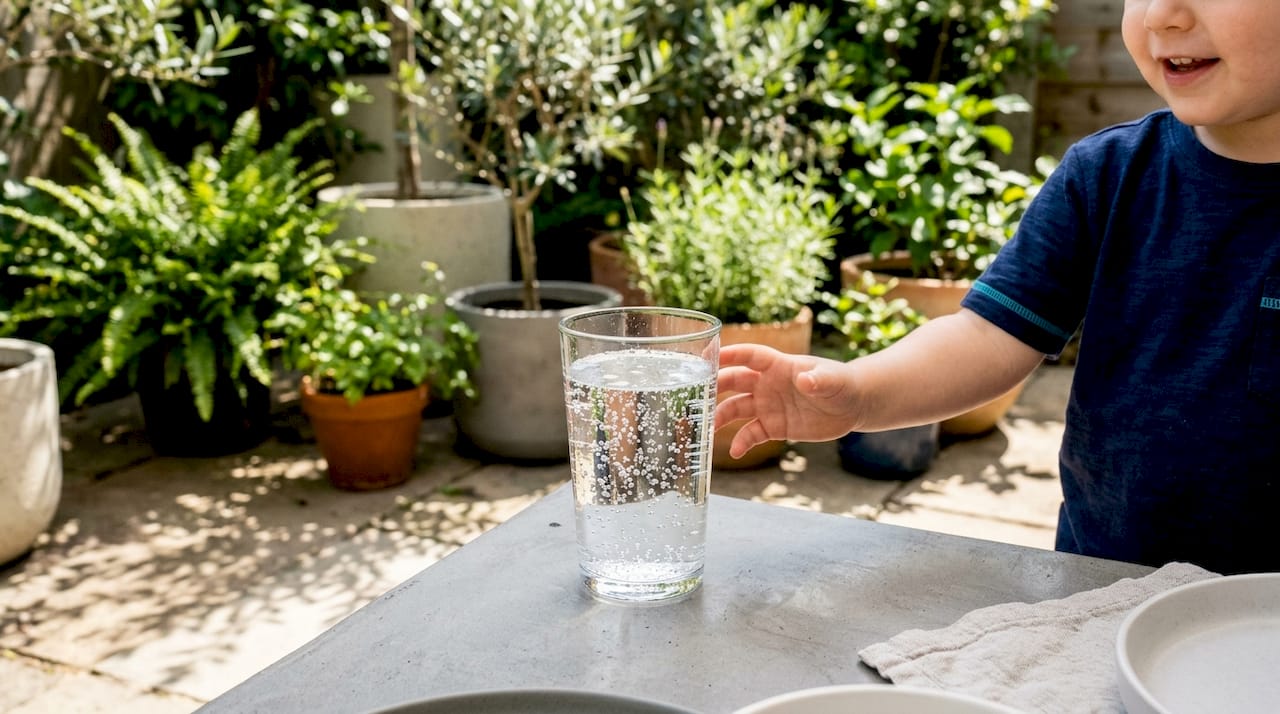
DIY fruit juice blends mix 100% fruit juice with plain sparkling water. Parents control the sweetness level and can adjust the ratio as kids grow. Commercial low-sugar options use plant-based sweeteners and clean labels to deliver flavour without the sugar spike.
2. Sparkling water with 100% fruit juice
Mixing plain sparkling water with 100% fruit juice is the most flexible and parent-controlled option available. You decide the ratio, the flavour, and the sweetness. Start with a 3:1 ratio of sparkling water to juice and adjust from there.
The key is using 100% juice, not juice cocktail or juice drink, which often contain added sugars. Apple juice, white grape juice, and mild berry blends work best. DIY sparkling drinks made this way give parents full control over sweetness while keeping the fizz kids love.
This approach also works well as a gradual transition strategy. If your child currently drinks sweetened juice, slowly increase the sparkling water ratio over a few weeks. The change feels natural rather than like a restriction.
3. Commercial low-sugar sparkling drinks with clean labels
The commercial market for kid-friendly fizzy drinks has changed significantly. New clean-label sparkling drinks reduce sugar by 75% compared to average juice boxes and contain no artificial dyes or sweeteners. Many come in 7.5oz mini-cans, which are sized appropriately for younger children.
These products often use plant-based sweeteners like stevia leaf extract. Stevia-based formulations are preferred over artificial sweeteners because they deliver zero sugar without the synthetic aftertaste. Some brands have specifically worked to remove the bitter note that stevia can sometimes leave.
Reading the label is still the best habit. Look for “no added sugar,” a short ingredient list, and no artificial colours. Avoid products that list “natural flavours” as the only flavour source without specifying the fruit.
4. Flavoured sparkling waters
Flavoured sparkling waters sit between plain sparkling water and juice blends. They offer a hint of fruit taste without any juice content. For daily hydration, they are a solid choice as long as the label shows no sodium and no artificial ingredients.
Pediatric experts consider plain sparkling water safe for children over 3 years old when consumed in moderation. Flavoured versions should be checked carefully. Some contain sodium or sweeteners that are not appropriate for everyday use.
For parents of picky kids, flavoured sparkling water can serve as a stepping stone. The subtle taste makes it more appealing than plain water while keeping sugar at zero. Mild fruit flavours like peach or white grape tend to land well with younger children.
5. Homemade sparkling drink recipes kids actually enjoy
Strawberry lemonade sparkler
Combine freshly squeezed lemon juice, a few muddled strawberries, and sparkling water over ice. A strawberry lemonade sparkler takes under 4 minutes to prepare and uses ingredients most families already have. The natural sweetness of the strawberries balances the tartness of the lemon without any added sugar.
Watermelon mint cooler
Blend fresh watermelon until smooth, strain out the pulp, and mix the juice with sparkling water in a 1:2 ratio. Add a few fresh mint leaves for visual appeal and a mild flavour lift. This drink works especially well at summer parties because the colour alone makes kids want to try it.
Apple ginger fizz
Mix unsweetened apple juice with a small amount of fresh ginger juice and top with sparkling water. The ginger adds a mild warmth that older kids find interesting. Keep the ginger ratio low for younger children.
Pro Tip: Chill your juice and sparkling water separately before mixing. Cold ingredients preserve carbonation and give the drink a better texture. Adding ice to warm mixtures dilutes the drink and ruins the mouthfeel kids notice immediately.
- Chill all ingredients before mixing.
- Add sparkling water last to preserve fizz.
- Stir gently rather than shaking.
- Serve immediately after mixing.
- Use a wide glass or pitcher so the carbonation does not collapse under pressure.
6. What flavours work best for picky kids?
Apple and white grape are the most widely accepted flavours among children. Citrus flavours like lemon and grapefruit are often rejected because of tartness. Mild berry blends, peach, and watermelon also perform well across different age groups.
For parties with mixed ages, sticking to apple or white grape as the base flavour is the safest choice. Pediatric party caterers confirm that familiar, mild flavours reduce refusals and keep things simple for hosts.
- Apple: universally accepted, mild, and easy to blend
- White grape: sweet without being sharp, works well with sparkling water
- Peach: slightly floral, popular with children aged 4 and up
- Mild berry blends: visually appealing and naturally sweet
- Watermelon: high water content, refreshing, and visually striking
- Citrus: use sparingly and only for older children who enjoy tart flavours
Pro Tip: Visual appeal often outweighs flavour for picky kids. Serve drinks in clear glasses with a slice of fresh fruit on the rim. The presentation signals “special treat” and reduces resistance before the first sip.
7. Presentation strategies that make kids say yes
Presentation is a genuine factor in whether a child accepts a new drink. Using clear pitchers, fresh fruit slices, and colourful servingware increases acceptance of healthier, less sweet options. The visual experience signals fun and signals treat, which matters more to children than adults expect.
Floating fruit slices inside a clear jug makes a simple sparkling water blend look like a party drink. Coloured paper straws, fun glasses, and small garnishes like mint sprigs or cucumber rounds all add to the sensory experience. Temperature also matters. Children prefer cold drinks, and a well-chilled glass feels more satisfying than a room-temperature one.
Gradual transitions work better than sudden switches. If a child is used to sweet juice, start with a 1:1 ratio of juice to sparkling water, then shift to 1:2, then 1:3 over several weeks. The change happens without resistance because the flavour stays familiar.
8. Comparing sparkling drink types by sugar, flavour, and occasion
| Drink type | Sugar level | Flavour profile | Best occasion |
|---|---|---|---|
| Plain sparkling water | Zero | Neutral | Daily hydration |
| Sparkling water + 100% juice | Low (parent-controlled) | Fruit-forward | Daily or parties |
| Commercial low-sugar fizzy drinks | Very low to zero | Varied, clean label | Parties, on the go |
| Flavoured sparkling water | Zero to trace | Mild fruit | Daily hydration |
| Homemade fruit sparklers | Low | Fresh and bright | Parties, special occasions |
| Sweetened commercial sodas | High | Intense, artificial | Occasional treat only |
The table makes one pattern clear. DIY blends and commercial low-sugar options cover the widest range of occasions without the sugar load of traditional sodas. Sweetened sodas belong in the occasional treat column, not the daily drink rotation.
9. When and how to introduce sparkling drinks safely
Plain, unflavoured sparkling water is safe for children over 3 years old when consumed in moderation. Flavoured and sweetened sparkling drinks should be treated as occasional options, not daily hydration, to protect tooth enamel.
The main dental concern is acidity. Carbonated water is slightly acidic, and flavoured versions can be more so. Rinsing with plain water after a sparkling drink reduces enamel exposure. Avoiding sparkling drinks right before bed also helps, since saliva production drops during sleep and the mouth cannot neutralise acid as effectively.
Pediatric guidance is consistent: sparkling water in moderation is not harmful for children over 3. The priority is avoiding sweetened and artificially flavoured versions as daily drinks. Reserve those for parties and special occasions, and keep plain or lightly juiced sparkling water as the everyday option.
Frequency matters more than quantity. One sparkling drink per day alongside adequate plain water intake is a reasonable approach for most children. Parents of children with existing dental concerns should check with their dentist before making sparkling water a daily habit.
Key takeaways
The best low sugar kids sparkling drinks combine natural fruit flavours, minimal added sugars, and appealing presentation to satisfy picky kids while supporting daily health goals.
| Point | Details |
|---|---|
| Limit added sugar | The American Heart Association caps added sugar at 25g per day for children aged 2–18. |
| DIY blends offer control | Mixing 100% juice with sparkling water lets parents adjust sweetness and reduce sugar gradually. |
| Apple and white grape win | These flavours are the most accepted across age groups and work for parties and daily use. |
| Presentation drives acceptance | Clear glasses, fresh fruit garnishes, and cold temperatures increase kids’ willingness to try new drinks. |
| Plain sparkling water is safe | Pediatric experts confirm it is safe for children over 3 in moderation, with flavoured versions reserved for occasional use. |
What I have learned from years of watching kids drink (and refuse to drink)
The most surprising thing about getting kids to accept healthier sparkling drinks is that the drink itself is rarely the problem. The problem is how it looks and how it is introduced.
I have watched children refuse a perfectly good apple sparkler in a plain cup, then happily drink the exact same thing from a clear glass with a strawberry on the rim. The drink did not change. The experience did. That tells you everything you need to know about where to put your energy.
The gradual ratio shift is the most underused tool parents have. Most parents try to switch cold turkey from sweet juice to sparkling water and then conclude their child “just does not like it.” Slow the transition down. Move from 1:1 juice to sparkling water, then 1:2, then 1:3 over a month. By the end, the child is drinking something that is mostly sparkling water and they have no idea the formula changed.
The commercial market has also genuinely improved. Clean-label sparkling drinks with stevia and real fruit flavours are now widely available and taste noticeably better than they did even three years ago. They are not a compromise. For busy families, they are a legitimate everyday option. The key is reading labels carefully and avoiding anything with artificial dyes or a long ingredient list.
My honest advice: start with apple or white grape, chill everything, use a fun glass, and give the transition time. The fizz does the heavy lifting once the presentation is right.
— Sharon
Drinksolidviibe: sparkling drinks built for health-conscious families
Parents who want a ready-made option that skips the label-reading guesswork will find what they need at Drinksolidviibe. The brand specialises in natural ingredient sparkling beverages that align with the low-sugar, clean-label criteria this guide covers.
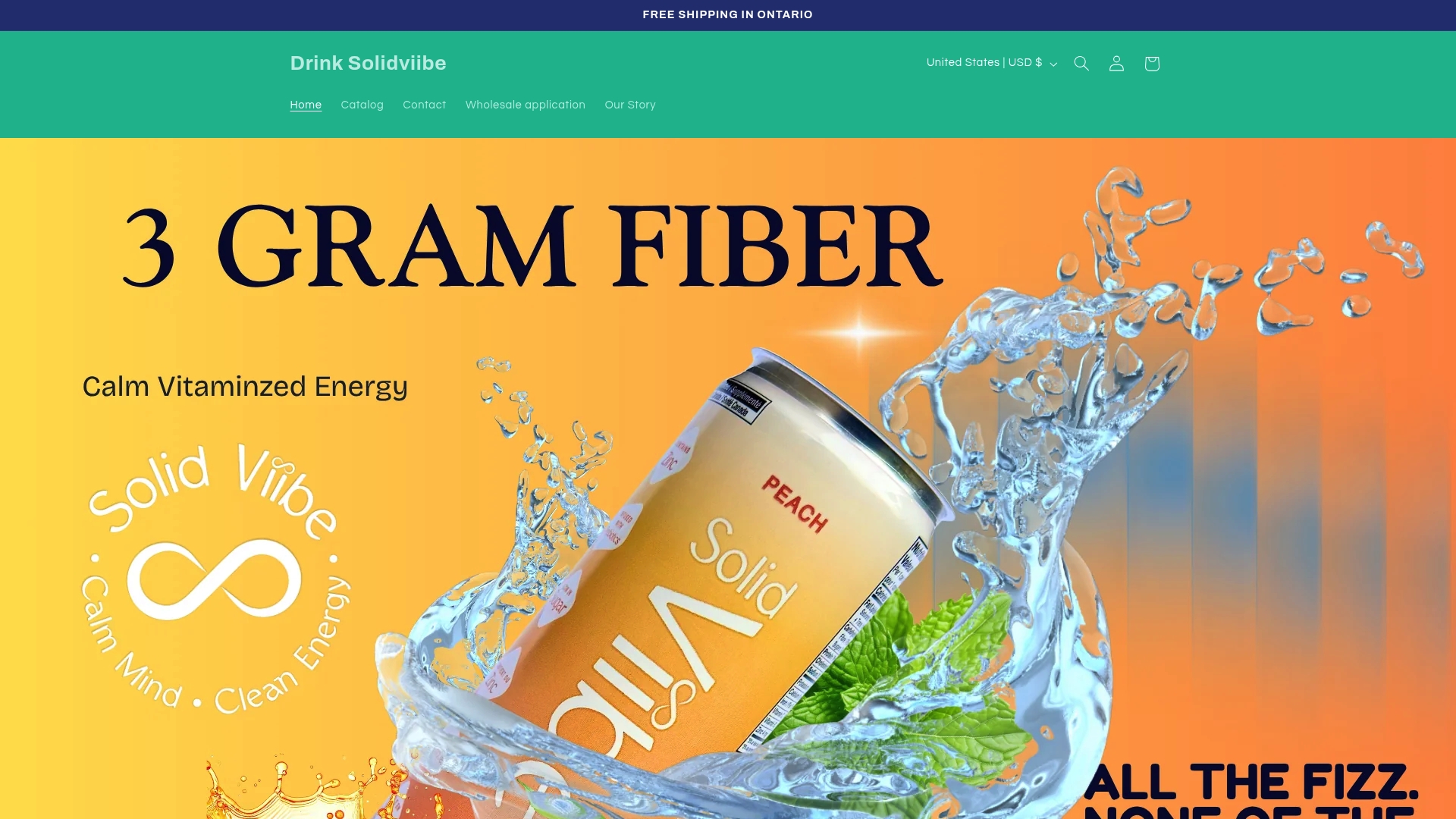
The Drinksolidviibe variety pack includes lemon-ginger, peach, and passionfruit flavours, all made with functional ingredients and no artificial additives. The peach sparkling beverage is a natural fit for families looking for a mild, kid-accepted flavour with zero added sugar. For parents who want a convenient complement to homemade options, Drinksolidviibe offers a clean, guilt-free alternative that fits the health goals covered here.
FAQ
What are the safest sparkling drinks for young children?
Plain sparkling water is the safest option for children over 3 years old. Flavoured and sweetened versions should be reserved for occasional use to protect tooth enamel.
How much added sugar should kids’ drinks contain?
The American Heart Association recommends no more than 25g of added sugar per day for children aged 2–18. Many standard juice boxes and sweetened drinks exceed this in a single serving.
What flavours do picky kids accept most easily?
Apple and white grape are the most widely accepted flavours among children. Mild berry blends and peach also perform well, while citrus flavours are often rejected due to tartness.
Can I make low-sugar sparkling drinks at home?
Yes. Mixing 100% fruit juice with plain sparkling water in a 1:3 ratio gives a lightly sweet, fizzy drink with no added sugar. Chill both ingredients before mixing to preserve carbonation.
Are commercial low-sugar sparkling drinks a good daily option?
Clean-label commercial options with stevia and no artificial dyes are a practical daily choice. Check that the label shows no added sugar and a short, recognisable ingredient list before making any drink a daily habit.
Recommended
- Solidviibe Sparkling Beverage Variety Pack - 12 Cans (Lemon-Ginger, Pe – Drink Solidviibe
- Solidviibe Peach — Functional Sparkling Beverage – Drink Solidviibe
- Solidviibe Lemon Ginger — Functional Sparkling Beverage – Drink Solidviibe
- Solidviibe Passionfruit — Functional Sparkling Beverage – Drink Solidviibe


