

Nootropic beverages are drinks formulated with compounds designed to enhance cognitive functions such as focus, memory, and mental clarity. The term “nootropic” has no regulated FDA category, which means the label applies broadly to any functional drink containing ingredients with brain-supporting properties. What separates these drinks from a standard cup of coffee is the intentional stacking of multiple compounds, each targeting a different aspect of brain performance. Drinksolidviibe is one brand building on this principle, combining natural functional ingredients with real flavour to deliver both refreshment and cognitive support. Demand for these drinks is growing fast as people look for cleaner, more sustained mental energy.
What are nootropic beverages and how do they work?
Nootropic beverages work by influencing multiple brain pathways simultaneously, including neurotransmitter modulation, ATP energy production, glucose metabolism, blood flow, and antioxidant defence. That multi-pathway approach is what separates a well-formulated nootropic drink from a single-ingredient stimulant. Each compound in the blend targets a specific bottleneck in brain function, and the combined effect is greater than any single ingredient alone.
The mechanism is worth understanding because it explains why these drinks feel different from a strong espresso. Caffeine alone blocks adenosine receptors to reduce fatigue. A nootropic blend adds compounds that support the production of acetylcholine, protect neurons from oxidative stress, and improve cerebral blood flow. The result is clearer thinking without the sharp spike and crash that follows high-caffeine products.
Cognitive enhancers in beverage form also benefit from faster absorption compared to capsules or powders. Liquids pass through the stomach lining more quickly, which means the active compounds reach the bloodstream sooner. For people who want a reliable mental lift before a meeting or a long work session, that speed of onset matters.
Key ingredients found in nootropic drinks
The most studied nootropic ingredients each play a distinct role. Common nootropic compounds include Lion’s Mane mushroom, Alpha-GPC, L-theanine, TeaCrine, and B vitamins, and each one targets a different aspect of brain performance.

| Ingredient | Primary benefit | Typical dose | Onset time |
|---|---|---|---|
| Lion’s Mane mushroom | Memory, neurogenesis | 500 mg–1,800 mg | 60 min (acute); weeks (cumulative) |
| L-theanine | Calm focus, reduced tension | 100 mg–200 mg | 30–60 min |
| Caffeine | Alertness, reaction speed | 50 mg–200 mg | 15–45 min |
| Alpha-GPC | Acetylcholine support, memory | 150 mg–600 mg | 30–60 min |
| TeaCrine | Sustained energy, mood | 100 mg–200 mg | 30–60 min |
| B vitamins (B6, B12) | Energy metabolism, mood | Varies by RDA | 30–60 min |
Lion’s Mane deserves particular attention. A 1.8 g dose produces significant improvement in cognitive task speed within 60 minutes in adults aged 18–45, with a double-blind pilot study recording a Stroop task improvement at p=0.005. That is a meaningful result for a single ingredient at a single dose.
L-theanine is the ingredient most responsible for the “smooth” quality people describe in nootropic drinks. It raises GABA and serotonin levels while moderating the stimulant edge of caffeine. When the two are combined, the cognitive experience shifts from jittery alertness to calm, sustained focus. That combination is now one of the most replicated findings in nootropic research.
Pro Tip: Look for products that list exact milligram amounts for each ingredient on the label. A product that hides behind a “proprietary blend” without disclosing doses gives you no way to assess whether the amounts are clinically relevant.
What does the research say about nootropic drink benefits?
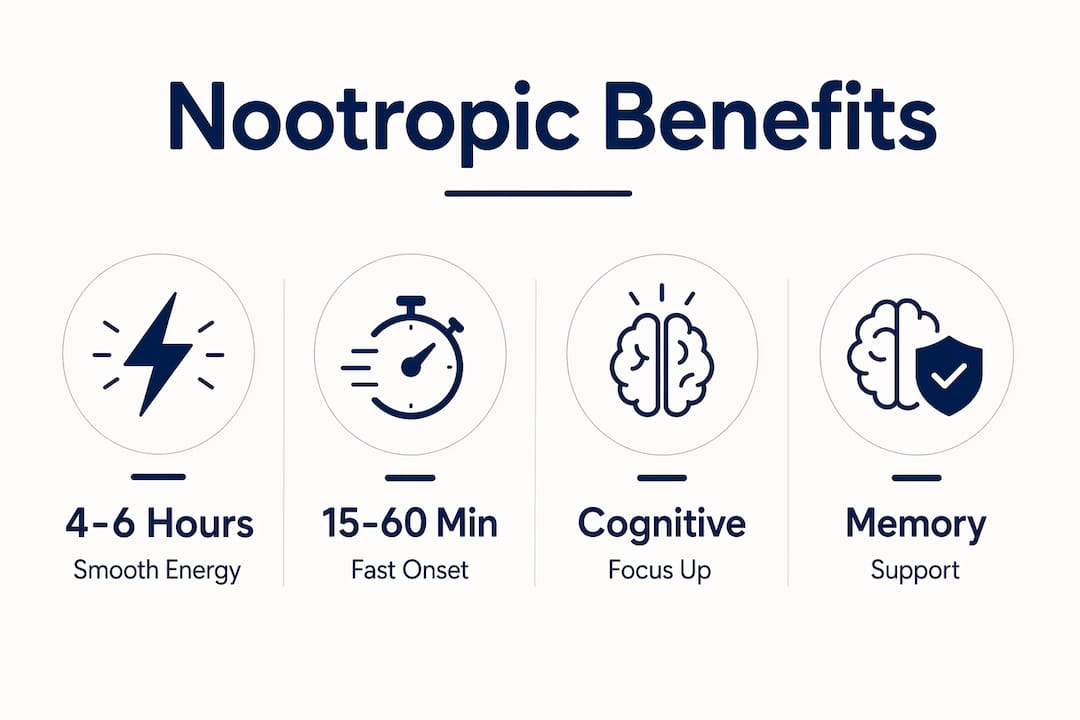
The evidence for nootropic beverages is more specific than most people realise. Multi-ingredient nootropic blends can improve psychomotor attention by 11.5–13.4%, executive function by 12.3–16.3%, and mood by 20% within three hours of consumption. Those are measurable gains in the cognitive domains that matter most for knowledge work, studying, and decision-making.
The caffeine and L-theanine combination produces one of the most consistent results in the literature. This pairing reduces tension by 35.4% to 52.3% within five hours, delivering mental clarity without the jitteriness that caffeine alone produces. That finding has been replicated across multiple study designs, which gives it more weight than a single trial.
“Nootropic beverages are designed for subtle, sustainable cognitive enhancement rather than quick, intense stimulation.”
The effects of nootropic beverages tend to be cumulative rather than dramatic. Adaptogens like Lion’s Mane require consistent daily use over weeks before their full neurogenic benefits appear. People who try a nootropic drink once and expect an immediate, intense effect will be disappointed. The real value shows up over time, in the form of steadier attention, better recall under pressure, and a more even mood throughout the day.
This cumulative quality is actually a sign of a well-designed product. Compounds that produce dramatic immediate effects typically do so by flooding the brain with stimulants, which leads to tolerance and dependency. A blend built around adaptogens, amino acids, and precision doses of caffeine works with the brain’s natural chemistry rather than overriding it.
How do nootropic beverages differ from energy drinks and supplements?
The differences between nootropic beverages, traditional energy drinks, and dietary supplements come down to three things: regulatory status, ingredient philosophy, and the experience they produce.
Nootropic drinks are regulated as conventional foods under FDA frameworks, meaning they must use GRAS (Generally Recognised as Safe) or FDA-approved food ingredients and display a standard Nutrition Facts label. Dietary supplements, by contrast, are governed by the Dietary Supplement Health and Education Act (DSHEA), which requires far less pre-market oversight. That regulatory gap matters because it affects how much transparency a brand is required to provide about what is actually in the product.
| Feature | Nootropic beverages | Traditional energy drinks | Dietary supplements |
|---|---|---|---|
| Regulatory framework | FDA food standards, GRAS ingredients | FDA food standards | DSHEA, less pre-market review |
| Labelling | Nutrition Facts panel required | Nutrition Facts panel required | Supplement Facts panel |
| Ingredient transparency | High (dose disclosure expected) | Variable (often proprietary) | Variable |
| Primary mechanism | Multi-pathway cognitive support | High caffeine, sugar stimulation | Single or stacked compounds |
| Energy duration | 4–6 hours, smooth | 1–3 hours, crash likely | Varies widely |
Traditional energy drinks rely primarily on high caffeine and sugar to produce their effect. The result is a fast, intense energy spike followed by a notable crash. Nootropic beverages are positioned as precise tools for sustained cognitive tasks, providing smooth energy lasting 4–6 hours without the post-stimulant slump. That difference in duration and quality of effect is the clearest practical distinction for most people.
In Canada, Health Canada classifies functional beverages under the Food and Drug Regulations, which means the same GRAS-equivalent standards apply. Consumers shopping for nootropic drinks in Canada can expect the same labelling requirements as in the United States, though specific health claims are subject to Health Canada’s own approval process.
How to choose and use nootropic beverages safely
Choosing a quality nootropic beverage starts with the ingredient label. Transparent dosing is the single most reliable indicator of a well-formulated product. If a label lists Lion’s Mane at 1,800 mg, Alpha-GPC at 300 mg, and L-theanine at 150 mg, you can cross-reference those amounts against published research. If the label says “nootropic blend, 500 mg” without breaking down individual doses, you have no way to assess efficacy.
Practical guidelines for getting the most from nootropic drinks:
- Start with one product. Introducing multiple nootropic beverages at once makes it impossible to identify which ingredient is producing a given effect or side effect.
- Use consistently for adaptogens. Lion’s Mane and other adaptogens need daily use over several weeks to show their full benefit. Occasional use will not produce the neurogenic effects seen in clinical studies.
- Pair with adequate sleep. No nootropic beverage compensates for chronic sleep deprivation. Cognitive enhancers work best when the brain’s baseline recovery is intact.
- Check for interactions. People taking medications that affect serotonin, blood pressure, or blood thinning should consult a healthcare provider before adding nootropic beverages to their routine.
- Avoid stacking with high-caffeine products. If your nootropic drink already contains 100–150 mg of caffeine, adding an espresso on top pushes total intake into a range that can cause anxiety and disrupt sleep.
You can browse functional beverage formulations to see how ingredient transparency looks in practice before committing to a product.
Pro Tip: Track your focus and mood in a simple daily note for the first two weeks of using a new nootropic beverage. Subjective data collected consistently is more useful than a single impression formed on a busy or stressful day.
Key takeaways
Nootropic beverages deliver measurable cognitive benefits through multi-pathway ingredient blends, and their effects are most reliable when products use transparent dosing, clinically studied compounds, and consistent daily use.
| Point | Details |
|---|---|
| Definition matters | Nootropic beverages use GRAS-approved compounds targeting focus, memory, and mental clarity. |
| Ingredient transparency | Always check for exact milligram doses; proprietary blends hide whether amounts are effective. |
| Caffeine plus L-theanine | This pairing reduces tension by up to 52.3% and is the most replicated finding in nootropic research. |
| Cumulative effects | Adaptogens like Lion’s Mane require consistent daily use over weeks to produce their full cognitive benefit. |
| Regulatory advantage | Nootropic drinks face stricter labelling requirements than dietary supplements, giving consumers more protection. |
My take on where nootropic beverages actually stand
The promise of nootropic beverages is real, but the market is still catching up to the science. I have watched this category grow from a niche wellness curiosity into a mainstream shelf presence, and the quality gap between products is enormous. A drink with 1,800 mg of Lion’s Mane and a disclosed 150 mg of L-theanine is a fundamentally different product from one that lists “cognitive blend” on the label and buries the actual doses.
What I find genuinely encouraging is the regulatory structure. Because nootropic beverages are classified as foods rather than supplements, brands face real accountability on labelling. That is a meaningful consumer protection that the supplement aisle does not always offer. The weakness is that “nootropic” itself remains an unregulated descriptor. Anyone can print it on a can of sparkling water with a trace of B12 and call it a cognitive enhancer.
My honest advice is to treat ingredient transparency as a non-negotiable. If a brand will not tell you exactly how much of each compound is in the drink, the product is not worth your money regardless of how good the marketing sounds. The research on compounds like Lion’s Mane, L-theanine, and Alpha-GPC is solid. The question is always whether the product actually contains effective doses of those compounds.
Nootropic beverages fit best into a cognitive wellness strategy that already includes sleep, exercise, and a reasonable diet. They are not a shortcut. They are a well-designed tool for people who want to get more from the mental energy they already have.
— Sharon
Drinksolidviibe: functional sparkling beverages worth trying
Drinksolidviibe builds its sparkling beverages around the same principles this article covers: transparent natural ingredients, no excess sugar, and flavours that make daily use genuinely enjoyable.
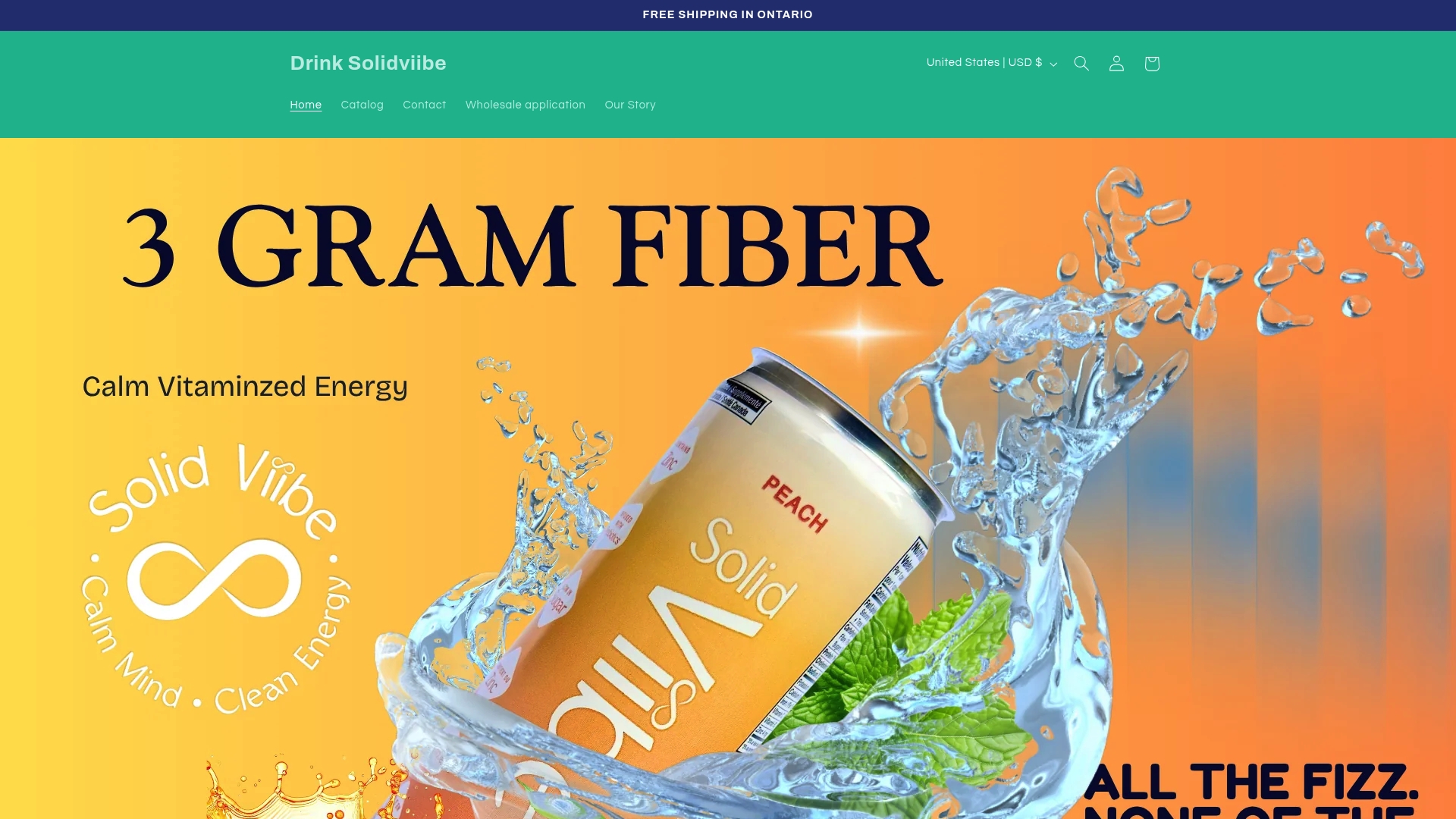
The Solidviibe variety pack gives you 12 cans across three flavours, including Lemon-Ginger and Passionfruit, so you can find what works best for your routine without committing to a single option. Each product is formulated to meet FDA food standards and Canadian Food and Drug Regulations, with clear labelling so you know exactly what you are drinking. For people who want a healthier alternative to sugary sodas and high-caffeine energy drinks, Drinksolidviibe offers a refreshing way to support focus and clarity throughout the day.
FAQ
What are nootropic beverages?
Nootropic beverages are functional drinks formulated with compounds such as Lion’s Mane, L-theanine, and Alpha-GPC to support cognitive functions including focus, memory, and mental clarity. They differ from energy drinks by targeting multiple brain pathways rather than relying solely on caffeine and sugar.
How long does it take for nootropic drinks to work?
Fast-acting ingredients like caffeine and L-theanine produce effects within 15–60 minutes. Adaptogens such as Lion’s Mane require consistent daily use over several weeks to deliver their full neurogenic and memory-supporting benefits.
Are nootropic beverages regulated in Canada?
Nootropic beverages sold in Canada are regulated as functional foods under Health Canada’s Food and Drug Regulations, requiring GRAS-equivalent ingredients and standard nutrition labelling. Specific health claims require Health Canada approval before they can appear on packaging.
Do nootropic drinks cause a crash?
Well-formulated nootropic beverages provide smooth energy lasting 4–6 hours without the crash associated with high-caffeine energy drinks. The L-theanine and caffeine combination is specifically studied for its ability to reduce tension while maintaining alertness.
What should I look for on a nootropic beverage label?
Look for exact milligram doses for each active ingredient, GRAS-approved compounds, and a standard Nutrition Facts panel. Products that list only a “proprietary blend” without individual doses give you no way to verify whether the amounts are clinically effective.