
Coolest canned beverages as your soda replacement

The best canned swaps for soda, ranked by how well they actually work: sparkling mineral water, low-sugar prebiotic or probiotic canned sodas, kombucha, unsweetened canned iced tea, and botanical “social” tonics. For health-conscious Canadians who want the ritual of a cold can without the sugar spike, Drinksolidviibe’s low-sugar functional sparkling tonic is the single recommended pick to start with.
Here is the shortlist at a glance:
- Sparkling mineral water — zero sugar, zero calories, the lowest-calorie fizzy option for anyone who just wants carbonation
- Low-sugar prebiotic or probiotic canned sodas — soda-like taste with gut-supporting ingredients; Food Network staffers rank these among the top healthier soda substitutes
- Kombucha — lightly sweet, tangy, and fermented; typically 30–60 calories per can with probiotic benefits
- Unsweetened canned iced tea (cold-brew) — light caffeine, no sugar, and genuinely refreshing
- Botanical “social” tonics — complex flavour, often fewer than 30 calories per can, and no alcohol
You can find these categories at most Canadian grocery chains, health-food stores like Whole Foods Market and Nature’s Emporium, and online through brand direct-to-consumer shops.
Pro Tip: Start your swap with a variety pack. Trying several categories in one week is the fastest way to find the one you will actually reach for instead of soda.
Table of Contents
- Which canned categories work best as non-soda beverages?
- What health trade-offs should you know before swapping?
- How do you choose a canned beverage that fits your routine?
- How do you transition off soda without losing the canned ritual?
- Why are botanical and prebiotic canned tonics replacing soda?
- Key takeaways
- The case for functional tonics over flavoured compromise
- Drinksolidviibe: a functional sparkling tonic built for soda deserters
- Useful sources for Canadian shoppers
Which canned categories work best as non-soda beverages?
Not every canned alternative scratches the same itch. The category you pick should match what you actually love about soda, whether that is the fizz, the sweetness, the caffeine, or just the ritual of cracking a cold can.
| Category | Fizz level | Sweetness | Typical calories | Best for |
|---|---|---|---|---|
| Sparkling mineral water | High | None | 0 | Pure fizz craving |
| Prebiotic/probiotic canned soda | Medium–high | Low–medium | 30–60 calories | Soda taste + gut support |
| Kombucha | Medium | Low | 30–60 calories | Tangy, fermented flavour |
| Unsweetened canned iced tea | Low–medium | None | 0–5 calories | Caffeine without sugar |
| Botanical social tonic | Medium | Very low | Under 30 calories | Complex, adult flavour |
| Cold-pressed juice spritz | Medium | Medium | 30–60 calories | Fruit flavour, lighter sugar |
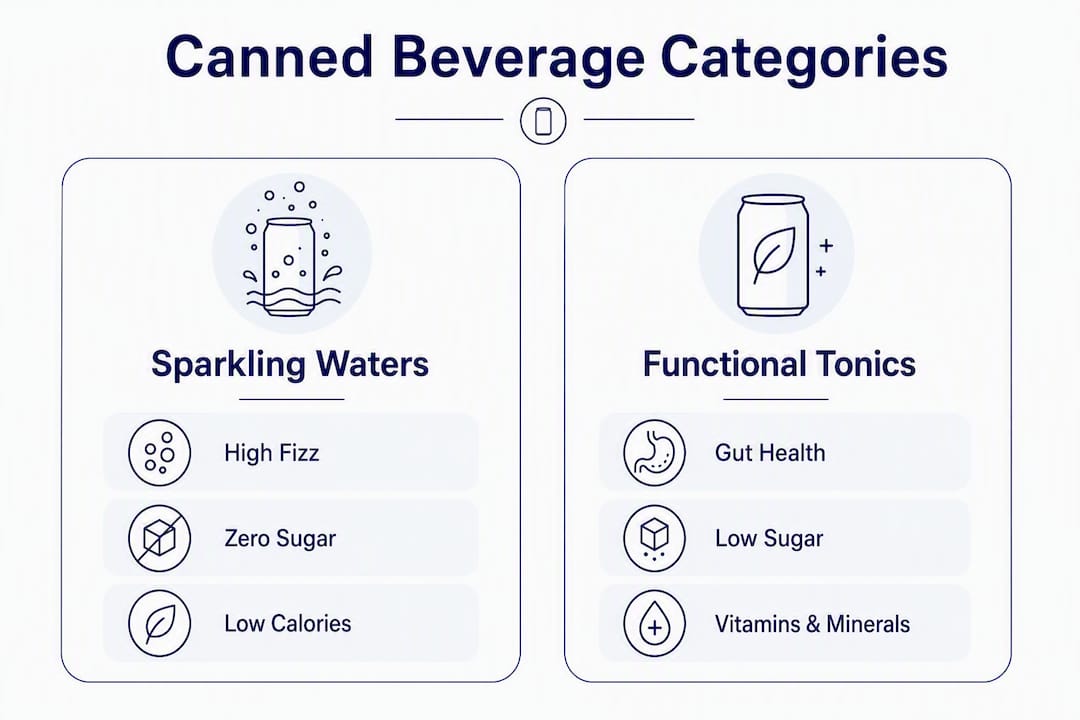
Sparkling mineral water is the simplest entry point. No additives, no sugar, and experts recommend it as the healthiest fizzy swap for anyone coming off soda. Brands like San Pellegrino and Perrier are widely available across Canada, and store-brand sparkling waters have made this category genuinely affordable. The flavoured versions with natural citrus or berry are worth trying if plain water feels too stark at first.
Prebiotic and probiotic canned sodas are where the category gets interesting. These drinks are formulated to taste like soda but deliver gut-supporting ingredients instead of refined sugar. Food Network’s editorial team lists them alongside zero-calorie options as the most mainstream healthy soda substitutes available right now. The flavour profiles lean fruity and slightly sweet, which makes them the easiest psychological swap for cola or lemon-lime drinkers.
Kombucha sits in a different lane. It is fermented, so the flavour is tangy and slightly vinegary, which some people love immediately and others need a week to appreciate. Sugar content varies significantly by brand, so reading the label matters here more than with any other category. Diluting kombucha with sparkling water is a practical trick to cut per-serving sugar while keeping the probiotic benefit.
Unsweetened canned iced tea is underrated as a soda replacement. Cold-brew formats in particular have a smooth, low-bitterness flavour that pairs well with meals. Caffeinated versions handle the morning or early-afternoon energy need without any added sugar. Allrecipes’ practical swap guide specifically calls out canned cold-brew teas as a grab-and-go substitute for sweet sodas.

Botanical social tonics are the most sophisticated option. These are complex, low-sugar canned drinks built around botanical extracts — think elderflower, hibiscus, ginger, or bitter orange. The Daily Beast’s roundup notes that some modern functional tonics include magnesium or adaptogens and often contain under 30 calories per can. They feel more “adult” than a soda, which is part of their appeal for people who want something to sip at social occasions without alcohol or sugar.
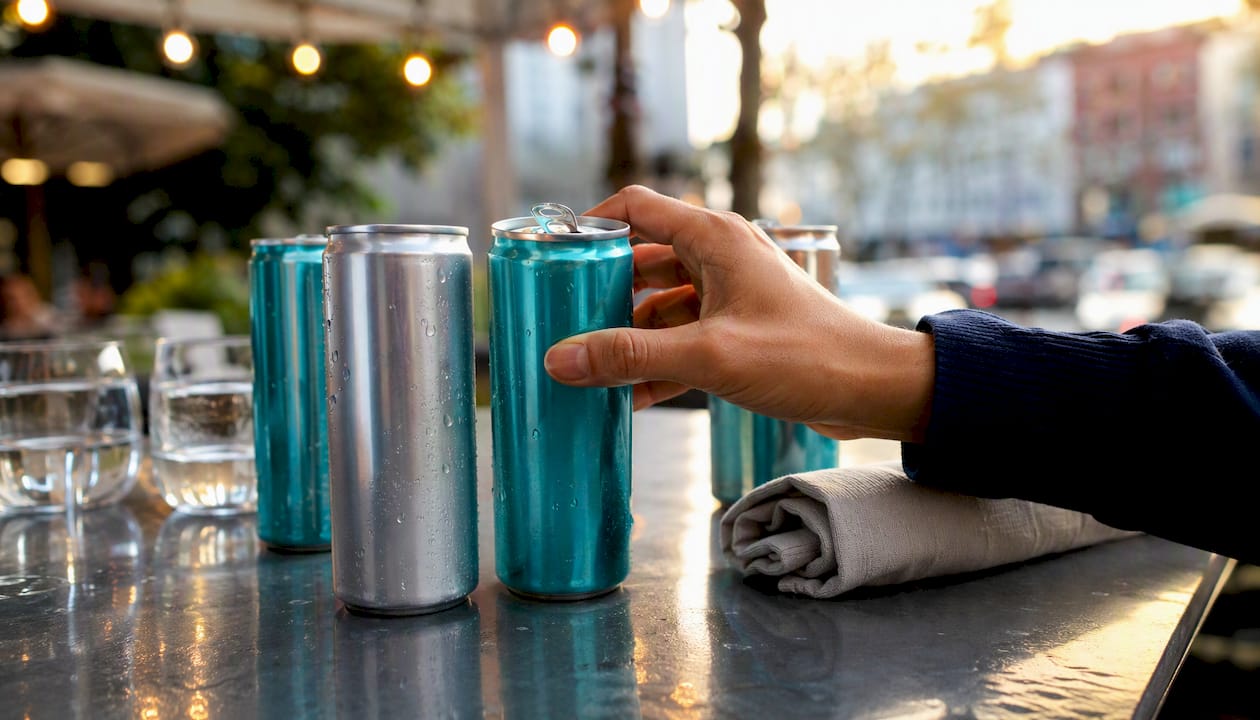
The canned format itself is worth mentioning. Consistent carbonation, portability, and the ability to buy variety packs make cans the most practical format for a daily soda replacement habit. A can you grab from the fridge cold is always going to beat a bottle you have to portion out.
What health trade-offs should you know before swapping?
Switching from soda to a canned alternative is almost always a net positive, but a few trade-offs are worth understanding before you commit to a category.
Added sugar versus total sugar is the most important label distinction. Canned beverages that use real fruit juice can carry sugar levels comparable to soda. The nutrition label’s “added sugar” line is the number that matters most; “total sugar” includes naturally occurring sugars from fruit, which behave differently metabolically. Reading the added sugar line is the most reliable way to spot a genuinely low-sugar functional tonic.
Artificial sweeteners appear in many zero-calorie canned sodas and some prebiotic drinks. The science on their long-term effects is still developing, but if you prefer to avoid them, look for drinks sweetened with stevia or monk fruit, or opt for unsweetened sparkling water and iced tea.
Acidity and tooth enamel is a real concern that most people overlook. The British Heart Foundation explicitly warns that even sugar-free carbonated drinks are acidic and can affect tooth enamel over time. Dietitians advise drinking fizzy alternatives as part of a varied intake that still prioritises still water and unsweetened teas. Rinsing with plain water after a fizzy can is a simple habit that helps.
Caffeine matters if you are switching from a caffeinated cola. Unsweetened iced teas and some functional tonics contain caffeine, which can ease the transition. Going cold turkey on caffeine while also cutting soda sugar at the same time tends to make the first week harder than it needs to be.
Pro Tip: Use this quick checklist when reading a label: total sugar per can, added sugar per can, type of sweetener (natural vs. artificial), presence of prebiotics or probiotics, and caffeine amount. Five seconds on the label saves a lot of guesswork.
A label-reading checklist at a glance:
- Total sugar per can — aim for under 8g for a genuinely low-sugar pick
- Added sugar — ideally 0–4g
- Sweetener type — stevia and monk fruit are natural; aspartame and sucralose are artificial
- Functional ingredients — prebiotics, probiotics, vitamins, or minerals add value
- Caffeine — listed in mg; relevant if you are managing energy or sleep
How do you choose a canned beverage that fits your routine?
The right pick depends on what you are actually trying to replace about soda. Here is a decision table to cut through the options quickly.
| What you want | Best category | Label cue to look for |
|---|---|---|
| Fizz, zero calories | Sparkling mineral water | “No added sugar,” “0 calories” |
| Soda taste with gut benefit | Prebiotic/probiotic canned soda | “Prebiotics,” “live cultures,” under 5g added sugar |
| Caffeine without sugar | Unsweetened canned iced tea | “Unsweetened,” caffeine mg listed |
| Complex flavour, social setting | Botanical social tonic | “Botanical extract,” under 30 calories |
| Fruit flavour, moderate sugar | Cold-pressed juice spritz | “Cold-pressed,” “no added sugar” |
| Probiotic benefit, tangy taste | Kombucha | “Raw,” “live cultures,” check sugar per serving |
If you want fizz and zero calories, sparkling mineral water is the answer. No label scrutiny needed. Sparkling water beats soda on every health metric for Canadians who just want carbonation.
If you want sweetness with gut support, a prebiotic canned soda is the closest thing to a soda experience that also does something useful. Look for drinks with inulin or chicory root listed in the ingredients, and check that added sugar stays under 5g per can.
If you want caffeine without the crash, a cold-brew canned tea is the practical choice. Caffeinated sparkling waters and ready-to-drink cold-brew teas let you maintain a caffeine routine without added sugar, which makes them a solid bridge for cola drinkers.
If you want something for evenings or social settings, a botanical tonic is worth the slightly higher price. The complexity of flavour makes it feel like a considered drink rather than a compromise.
On price, Canadian shoppers can expect to pay roughly $2.50–$4.00 per can for prebiotic sodas and botanical tonics at health-food retailers, and $1.00–$2.00 for sparkling water and canned teas. Buying multipacks or variety packs online typically brings per-can costs down by 20–30%. Drinksolidviibe sells directly online, which is often the most cost-effective route for functional sparkling tonics in Canada.
How do you transition off soda without losing the canned ritual?
The habit is as much about the can as the drink inside it. Keeping the format while changing the contents is the most effective strategy.
- Week 1: Replace one soda per day. Pick the easiest moment, usually midday, and swap it for a sparkling mineral water or a prebiotic canned soda. Keep everything else the same.
- Week 2: Match the flavour family. If you drink cola, try a lightly sweet prebiotic soda or a ginger kombucha. If you drink lemon-lime soda, try a sparkling water with citrus or a botanical tonic with elderflower.
- Week 3: Add a morning swap. Replace a caffeinated soda with a canned cold-brew iced tea. The caffeine stays; the sugar goes.
- Week 4: Introduce variety. Use a variety pack to rotate through categories across the week. Variety prevents boredom, which is the main reason people drift back to soda.
- Week 5–6: Make the swap the default. By this point, the canned ritual is intact and the soda craving has usually faded. Keep one or two favourite alternatives stocked in the fridge at all times.
A few practical notes on specific moments:
- Morning: A canned cold-brew iced tea handles caffeine and keeps sugar at zero.
- Midday: A prebiotic canned soda or a Drinksolidviibe functional tonic satisfies the flavour craving at lunch.
- Evening or social: A botanical social tonic or a lightly sparkling kombucha feels like a proper drink without the alcohol or sugar.
If caffeine withdrawal hits in the first week, do not cut it at the same time as sugar. Caffeinated sparkling waters and cold-brew teas let you manage one variable at a time. Sweetness cravings tend to peak around day three and then ease; having a flavoured sparkling water or a lemon-ginger tonic on hand for that moment makes a real difference.
Practical swap tactics that work best include matching the can size and serving it chilled, replacing one daily can at a time, and using gradual dilution for kombucha if the flavour is too intense at first.
Why are botanical and prebiotic canned tonics replacing soda?
The shift is not just a wellness trend. It reflects a genuine change in what people want from a drink.
Consumer interest has moved from hydration-only beverages toward functional cans that offer vitamins, minerals, or gut-supporting ingredients. Food Network’s editorial coverage frames this as consumers treating their beverage as a wellness ritual rather than just a thirst-quencher. That framing explains why prebiotic sodas and botanical tonics have moved from specialty health stores to mainstream grocery shelves across Canada.
The flavour side of the shift is equally important. Eater’s roundup of craft canned beverages found that experienced consumers prioritise complex botanical and bitter flavouring over pure sweetness when choosing canned soda replacements. Bitterness and botanical depth signal quality in a way that sweetness alone does not. That is why drinks built around hibiscus, ginger, or bitter orange feel more satisfying to soda-quitters than a plain diet soda.
| Driver | What it means for canned alternatives |
|---|---|
| Functional ingredients | Prebiotics, probiotics, vitamins, and minerals add a reason to drink beyond taste |
| Flavour complexity | Botanical and bitter notes satisfy without high sugar |
| Social occasion fit | Low-sugar tonics fill the “something to hold” role at events |
| Canadian retail growth | These categories now appear in mainstream grocery chains, not just specialty stores |
“Consumer interest is shifting from hydration-only beverages to functional cans that offer vitamins, minerals or gut-supporting ingredients — elevating the beverage to a wellness ritual.” — Food Network
In Canada specifically, functional canned beverages have expanded into Loblaws, Sobeys, and Metro locations over the past two years, alongside strong online availability. Searching “prebiotic soda Canada” or “botanical tonic Canada” on any major retailer’s site now returns multiple options, which was not the case even three years ago.
Key takeaways
The healthiest canned soda replacement is the one you will actually drink consistently, so matching your flavour preference and routine matters as much as the nutrition label.
| Point | Details |
|---|---|
| Start with sparkling water | Zero sugar and zero calories make it the lowest-risk first swap for any soda drinker. |
| Read added sugar, not just total sugar | Added sugar under 5g per can is the reliable marker of a genuinely low-sugar functional drink. |
| Match the craving to the category | Fizz craving needs sparkling water; sweetness craving needs a prebiotic soda; caffeine need needs cold-brew tea. |
| Acidity affects enamel | Even sugar-free fizzy drinks are acidic; rinsing with still water after each can protects teeth over time. |
| Drinksolidviibe as a starting point | Drinksolidviibe’s low-sugar functional sparkling tonic combines natural flavours with vitamins and minerals, available online for Canadian shoppers. |
The case for functional tonics over flavoured compromise
Most soda-replacement advice lands in one of two camps: drink plain sparkling water and accept the boredom, or buy a prebiotic soda that tastes like a slightly healthier version of what you already drink. Both are fine, but neither addresses the real reason people struggle to quit soda permanently.
Soda is a ritual. The cold can, the carbonation, the flavour hit, the moment of pause in a busy day. Replacing the drink without replacing the ritual is why most attempts fail by week three. The category that actually solves this is the functional sparkling tonic: complex enough to feel like a considered choice, low-sugar enough to drink daily, and nutrient-enriched enough to feel like it is doing something useful.
The conventional wisdom says “just drink more water.” That is technically correct and practically useless for anyone who has tried it. What works is finding a canned drink that satisfies the same sensory and psychological triggers as soda, then sticking with it long enough for the preference to shift. Lemon-ginger, passionfruit, and botanical blends tend to win that long game because the flavour complexity keeps them interesting across weeks, not just days.
Drinksolidviibe: a functional sparkling tonic built for soda deserters
If you have read this far, you already know what to look for: low added sugar, natural flavours, functional ingredients, and a canned format you will actually reach for. Drinksolidviibe’s sparkling functional wellness tonic delivers all of that in one place.
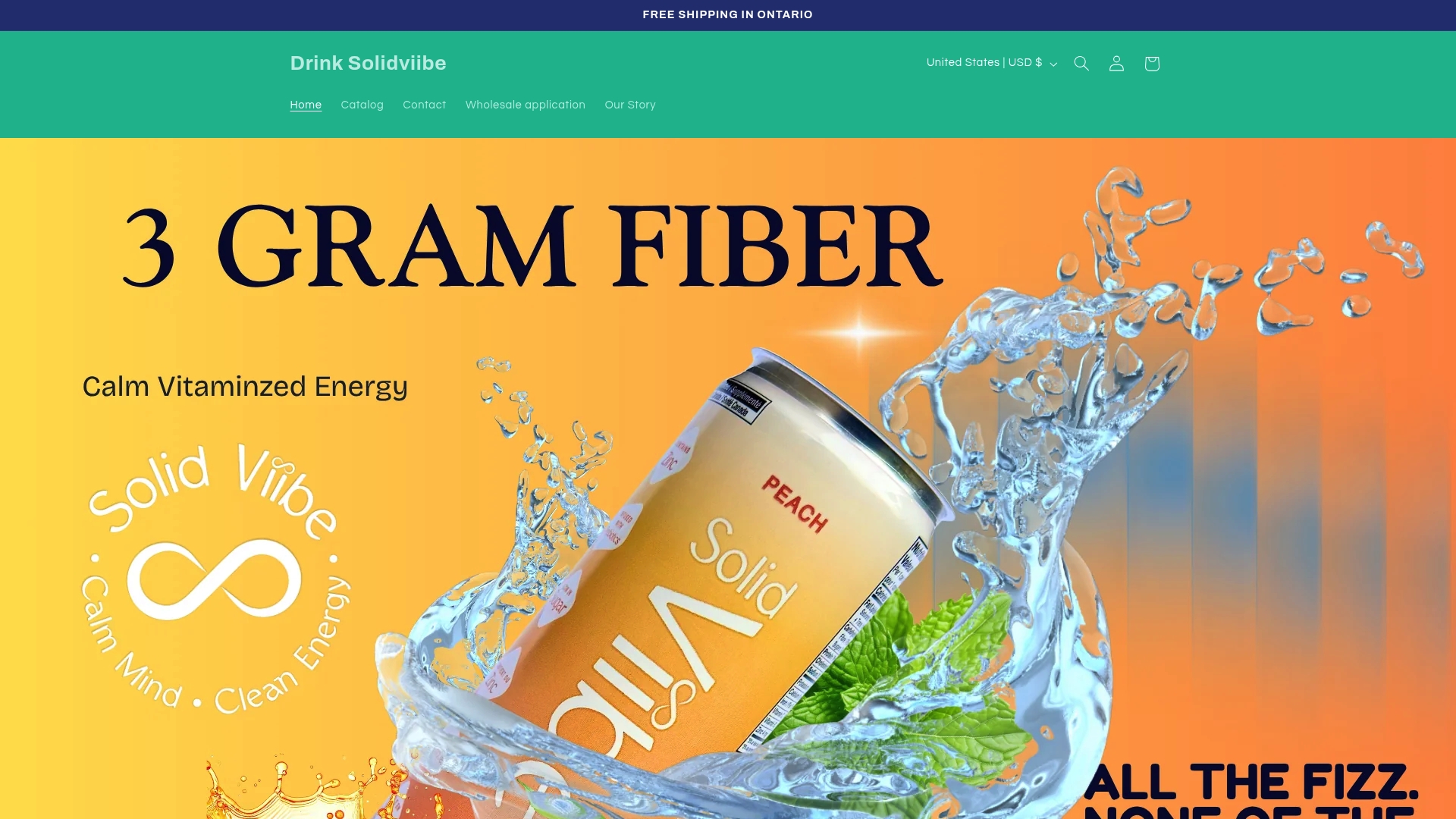
Each can is made with natural ingredients, no artificial additives, and is nutrient-enriched with vitamins and minerals that support gut health and immunity. Flavours like passionfruit, lemon-ginger, and peach are built around the kind of flavour complexity that keeps the drink interesting after the first week. Sugar per can stays low, which means you can make it a daily habit without the calorie math.
For Canadian shoppers, Drinksolidviibe sells directly online with single and variety packs available for order. A variety pack is the practical way to find your preferred flavour before committing to a larger order. Visit drinksolidviibe.com to browse current flavours, check shipping details, and place an order. Full ingredient and nutrition information is listed on each product page for anyone who wants to read the label before buying.
Useful sources for Canadian shoppers
These sources informed the health guidance, category descriptions, and label-reading advice in this article. Each is worth bookmarking if you want to go deeper on any one topic.
- Rethink Your Drink — CDC: Practical guidance on reducing sugary drink consumption, with clear comparisons of beverage types by calorie and sugar content. Directly applicable to Canadian label-reading habits.
- Sugary Drinks — Harvard T.H. Chan School of Public Health: The most thorough academic overview of how sugary drinks affect metabolic health. Useful background for understanding why the swap matters, not just what to swap to.
- Probiotic drinks and gut health — Mayo Clinic Press: Covers what the evidence actually says about probiotic sodas and kombucha for gut health. Useful for Canadian readers evaluating functional claims on canned beverage labels.
- Best healthier soda alternatives — Food Network: Editorial roundup from Food Network staffers covering prebiotic sodas, probiotic drinks, and zero-calorie options. A good starting point for category discovery.
- Carbonated drink alternatives comparison guide — Drinksolidviibe: Drinksolidviibe’s own comparison of canned and bottled non-alcoholic options, with Canadian availability context and product positioning.
Recommended
- Carbonated drink alternatives comparison guide for 2026 – Drink Solidviibe
- Best drinkmisfits.com alternatives for Canadians in 2026 – Drink Solidviibe
- Why sparkling water beats soda for health-conscious Canadians – Drink Solidviibe
- Sparkling drinks vs sports drinks: which should you choose? – Drink Solidviibe


